
rngen is focused on developing treatments for various diseases that significantly impact patient health. Our primary targets include conditions such as:
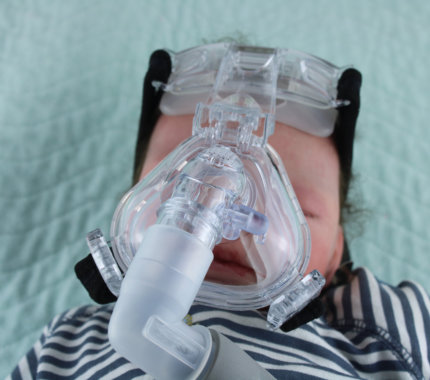
Bronchopulmonary Dysplasia (BPD)
BPD is the most common lung complication in premature neonates, affecting more than 15,000 infants annually in the United States alone, with an estimated cost of $6.1 billion. About 50% of the extremely premature neonates will suffer from BPD and require prolonged oxygen or breathing support. Roughly a third of BPD infants will develop a significant cardiovascular problem called pulmonary hypertension that increases the death rate of BPD infants by almost 3-fold. Although caffeine and vitamin A treatments have been shown to decrease BPD, there has been no change in BPD prevalence for the last three decades due to improved survival of extremely premature neonates. Our studies have demonstrated a self-perpetuating inflammatory cycle in the BPD lungs that inhibits the lung growth potential. Neutrophils and myeloperoxidase released from neutrophils play a critical role in this inflammatory cycle. KYC provides a unique form of protection for premature lungs via the systems chemical-pharmacological properties of our drug. In addition, the healthy development of neonatal lungs is protected and maintained.
Preclinical: RNG-001
Evaluation: RNG-003, RNG-006, RNG-009, RNG-011, RNG-050
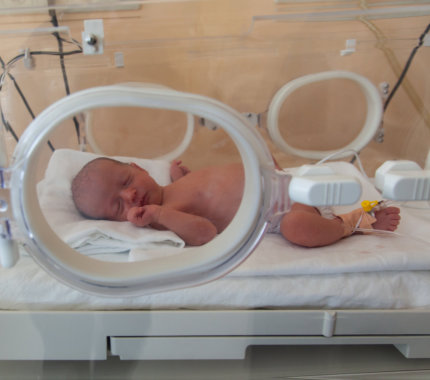
Neonatal Respiratory Distress Syndrome (NRDS)
NRDS is a common lung disease that occurs mainly in premature neonates (~12%), especially those extremely premature neonates born at less than 28 weeks (~4%). Almost all extremely premature neonates are born with NRDS. The leading cause of NRDS is premature lungs’ lack of endogenous surfactant production. The leading cause of NRDS is the lack of endogenous surfactant production, which requires an assisted breathing apparatus using high oxygen concentrations. This treatment-induced lung injury can initiate an inflammation that further damages the lungs. Our pre-clinical studies demonstrate that KYC can preserve the growth potential of the neonatal lungs by attenuating lung inflammation.
Preclinical: RNG-001
Evaluation: RNG-003, RNG-006, RNG-009, RNG-011, RNG-050
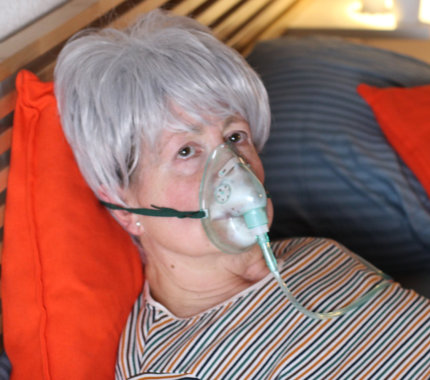
Acute Respiratory Distress Syndrome (ARDS)
ARDS is the more severe manifestation of the Acute Lung Injury (ALI) spectrum, which can be initiated by pulmonary (aspiration or pneumonia) or extrapulmonary (sepsis, burn, or trauma) insults. The estimated incidence ranges between 60 and 80 cases/100,00 person-years in the US with the overall pooled mortality rate of 43% for all reported studies. ARDS is preceded by an overwhelming systemic inflammatory reaction that leads to the characteristic diffuse alveolar damage and severe hypoxemia that requires mechanical ventilation. The inflammatory response in the lung tissue causes blood vessel damage, alveolar flooding, and surfactant dysfunction culminating in lung stiffness and impaired gas exchange ability. Independent animal studies appear to indicate that KYC can prevent sepsis induced ARDS.
Preclinical: RNG-001
Evaluation: RNG-003, RNG-006, RNG-009, RNG-011, RNG-050
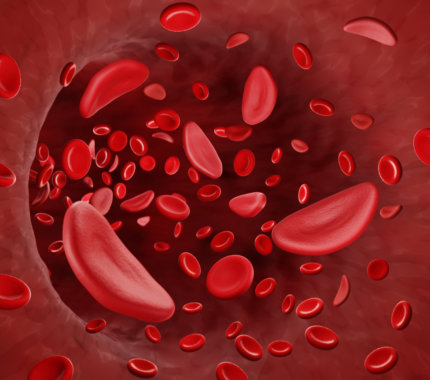
Sickle Cell Disease (SCD)
SCD is a genetically determined blood disorder that causes abnormal hemoglobin formation. It results in rigid red blood cells, which block the blood flow. The complications include stroke, acute chest syndrome, organ damage, premature death, blood clots, and pregnancy problems, such as high blood pressure, preterm birth, and low-birth-weight babies. Some SCD patient suffers from acute sickle cell crisis with excruciating pain or joint damage. Recently a novel gene therapy treatment was approved in the USA but costs $3 million per treatment, leaving the vast majority of patients worldwide with no effective therapy other than pain control and transfusion during the acute SCD crisis. We have shown that KYC reduces red cell sickling and vessel obstruction, which may benefit SCD patients.
Preclinical: RNG-001
Evaluation: RNG-003, RNG-006, RNG-009, RNG-011, RNG-050

Traumatic Brain Injury (TBI)
TBI is a brain injury caused by an external force. It is frequently seen in contact sports, traffic accidents, and battlefield injuries. It causes not only physical but also mental challenges. Neutrophils rapidly accumulate at the injury site, playing a significant role in the inflammatory response, often contributing to secondary brain damage by blood vessel constriction and releasing harmful substances like free radicals and cytokines, potentially worsening the injury outcome. KYC can attenuate blood vessel constriction and neutrophil infiltration and activation in the injured site to diminish the extent of TBI.
Preclinical: RNG-001
Evaluation: RNG-021, RNG-025, RNG-031, RNG-050

Chronic Traumatic Encephalopathy (CTE)
Chronic Traumatic Encephalopathy is a progressive neurodegenerative disease that develops after repeated head injuries and is most seen in athletes who play contact sports, such as the NFL and NHL, particularly in the US, with an estimated annual cost of $30 billion. The lifetime cost for individual patients ranges from tens of thousands to millions of dollars. The changes of CTE in the animal brain are similar to TBI but to a lesser degree. However, repeated brain injury still leads to neuronal loss and persistent inflammation. Results from our TBI study suggest a therapeutic potential of KYC.
Preclinical: RNG-001
Evaluation: RNG-021, RNG-025, RNG-031, RNG-050

Multiple Sclerosis (MS)
MS is a chronic autoimmune disease of the central nervous system, with an estimated 1 million patients in the United States alone. The disease process can damage any part of the central nervous system. Presently there is no cure for MS, and symptoms can be treated with corticosteroids during relapse or some disease-modifying therapies. Evidence suggests neutrophils are involved in MS by releasing inflammatory mediators and enzymes, producing reactive oxygen species, destructing myelin, and generating autoantigens. MPO released from neutrophils has been implicated in the onset and progression of MS. By repurposing MPO activity, KYC can decrease neutrophil infiltration to the central nervous system to limit the progression of MS.
Preclinical: RNG-001
Evaluation: RNG-021, RNG-025, RNG-031, RNG-050

Stroke
A stroke is caused by an interruption of blood flow to the brain. Stroke is a leading cause of death and disability in the US, affecting roughly 800 thousand people each year. The direct medical cost of stroke ranges between $30,000 to $120,000 per patient, with an average lifetime cost of around $100,000 per patient. Our animal study revealed KYC significantly reduces stroke severity, inflammation, and neuronal loss.
Preclinical: RNG-001
Evaluation: RNG-021, RNG-025, RNG-031, RNG-050
By addressing these diseases, we strive to improve the quality of life for patients and their families. Our targeted approach ensures that we are making meaningful advancements in treating complex health issues.